
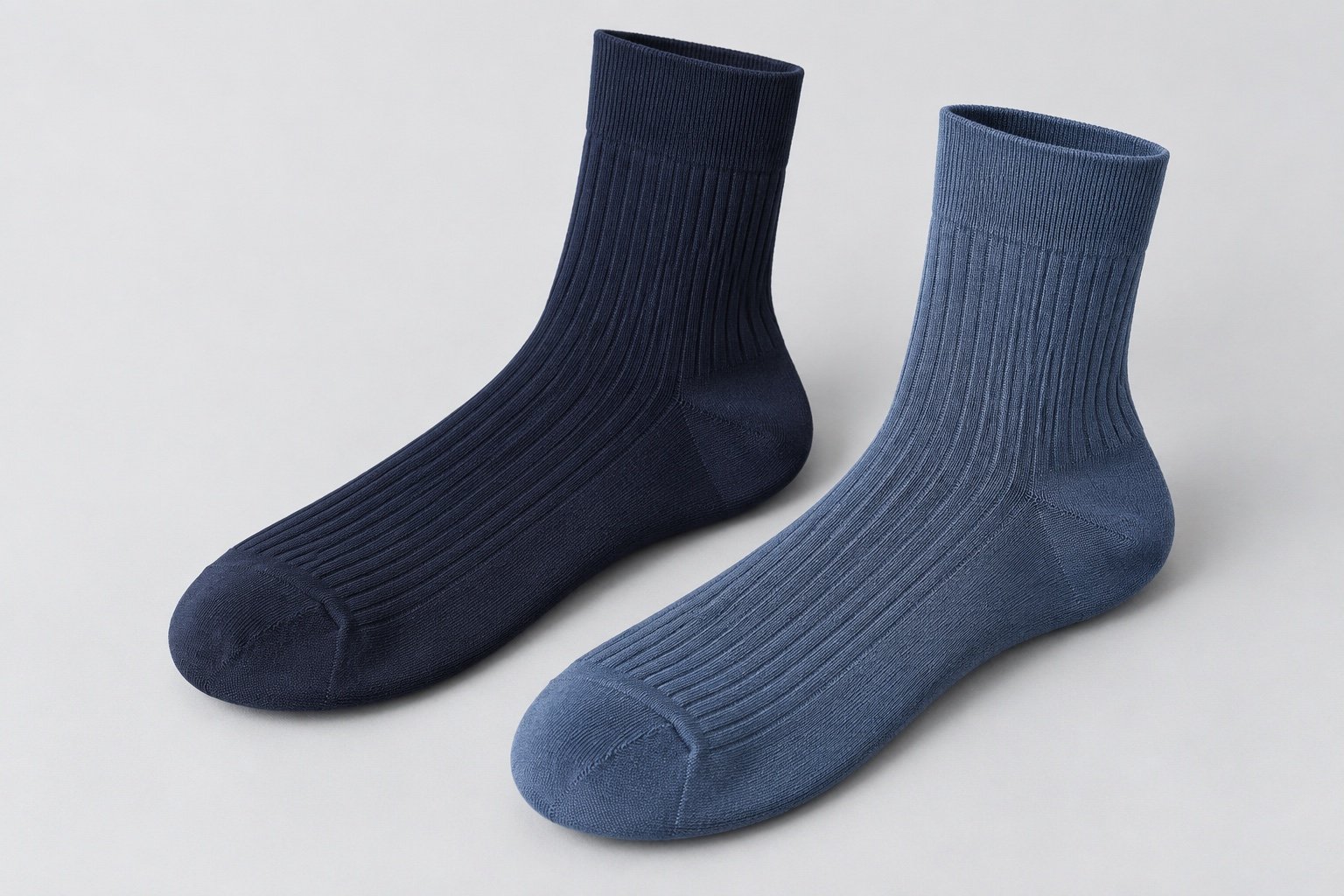
Choose the selling unit first
Start your sock packaging and barcode guide with the unit customers buy: one pair, a coordinated multipack or a gift box. Then define the warehouse unit and master carton. These may differ, so the packing specification should state the number of pairs per retail pack and the number of packs per carton.
Share your sales channel and fulfilment requirements before requesting a quote. A shelf-ready pack, an e-commerce mailer and bulk wholesale packing can require different materials and handling.
Prepare one SKU and quantity matrix
Give each design, colour, size and pack configuration a clear internal SKU. Use one matrix for quantities, label artwork and carton allocation. A change to pack contents can affect the identifier needed by your retailer or marketplace. Confirm identifier requirements with the relevant sales channel before artwork approval.
The buyer should supply or approve authorised barcode data. Do not invent retail identification numbers or reuse a barcode across distinct selling units without checking the applicable rules. Keep the human-readable SKU separate from the barcode number.
Review the information on labels
Prepare the brand name, size, fibre composition, care information and any origin wording required for the destination market. Confirm the responsible business details and language requirements with your compliance team or retailer. The final legal requirements depend on where and how the product will be sold.
Proofread all language versions before printing. A correct design on a screen does not establish that small text remains readable on a folded label. Approve the physical format, placement and attachment method as part of sampling.
Approve the barcode on the actual pack
Place the barcode where it can be scanned on the assembled retail unit. Avoid folds, curved surfaces, obstructed areas and printing combinations that make scanning difficult. Ask the fulfilment partner or retailer to confirm its label position and scan requirements.
Review a production-representative printed proof or sample rather than relying only on a digital file. Check that the scanned number matches the SKU matrix and that size stickers do not cover required information. Record the approved artwork version.
Plan cartons for receiving and replenishment
State whether cartons are single SKU or mixed, how quantities are arranged and what the outside label must show. Include purchase order reference, SKU, size, colour, quantity unit and carton sequence where needed. Agree dimensions or weight limits with the receiving warehouse.
Keep packing decisions linked to the bulk manufacturing order. Late changes to pack size or label data can affect materials, handling and dispatch planning. Maintain one final approved packing sheet.
Send a complete packaging brief
ELBASOCKS reviews knitted branding, labels and custom retail packaging alongside sock development. Orders start from 500 pairs, with design, colour and size allocation confirmed in your quotation. Send your logo, pack reference, SKU matrix, approved label text and destination through the inquiry form.
Read packaging and branding options for the product brief. Sample fees are deducted from the first production order; sample and production timing are confirmed in the quotation.
Sock Packaging and Barcode Guide: six details to confirm
Define the selling unit separately from the carton unit. A three-pair pack and an individual pair require a clear quantity definition in the purchase and packing records. Use buyer-authorised barcode data and confirm the receiving warehouse requirements before approving the final pack format.
- Selling unit
- Authorised identification data
- Approved artwork
- Pairs per pack
- Packs per carton
- Receiving label and packing rules
Keep the approval record with your order
Identify the dated sample, artwork and packing references in the same order record. State any requested change explicitly and confirm how it affects the product or commercial offer. Retain the agreed documents for the next run so your team can distinguish an exact repeat from a revised specification.
Send your category, quantity in pairs, sizes and destination through our manufacturing inquiry form. You can attach a logo or technical PDF and explain which choices are still open. ELBASOCKS reviews orders from 500 pairs, with allocation and timing confirmed in your quotation.
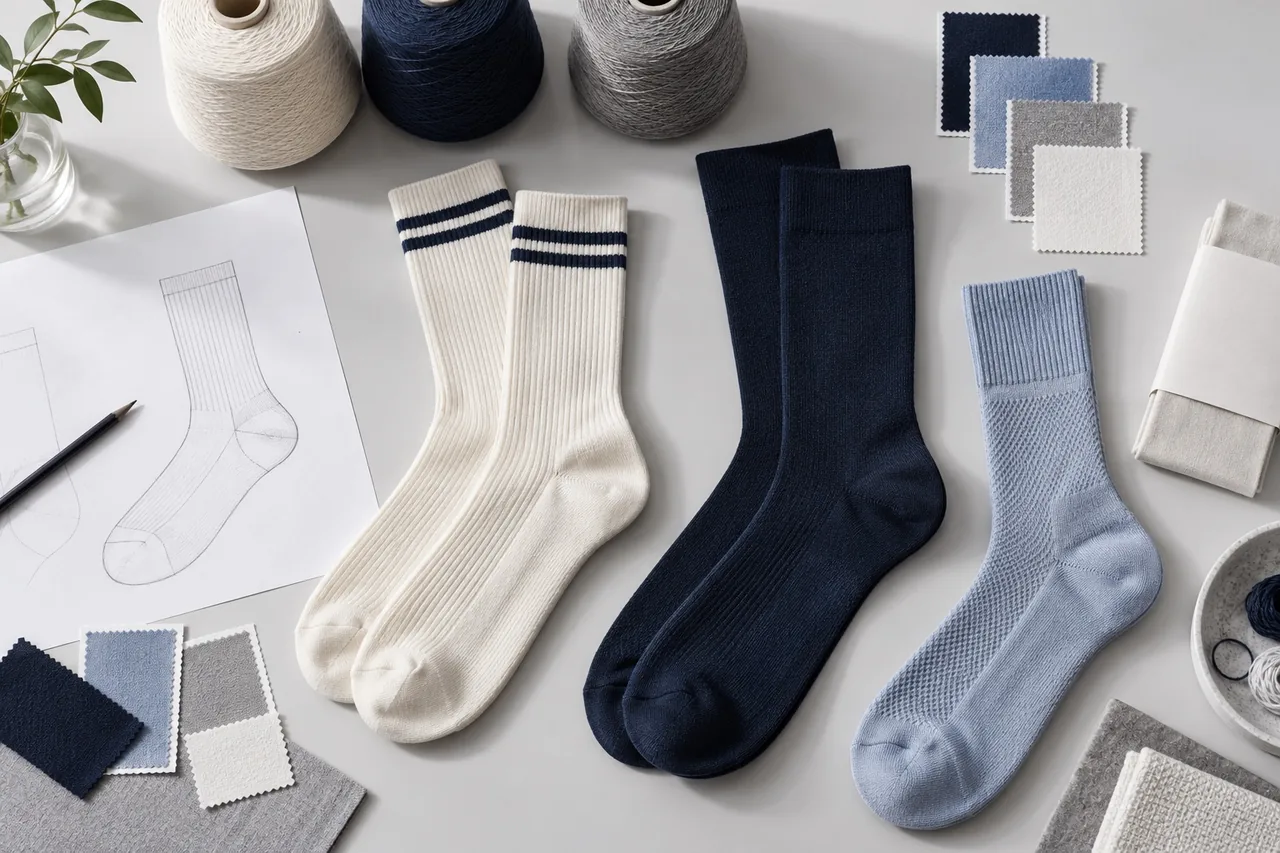
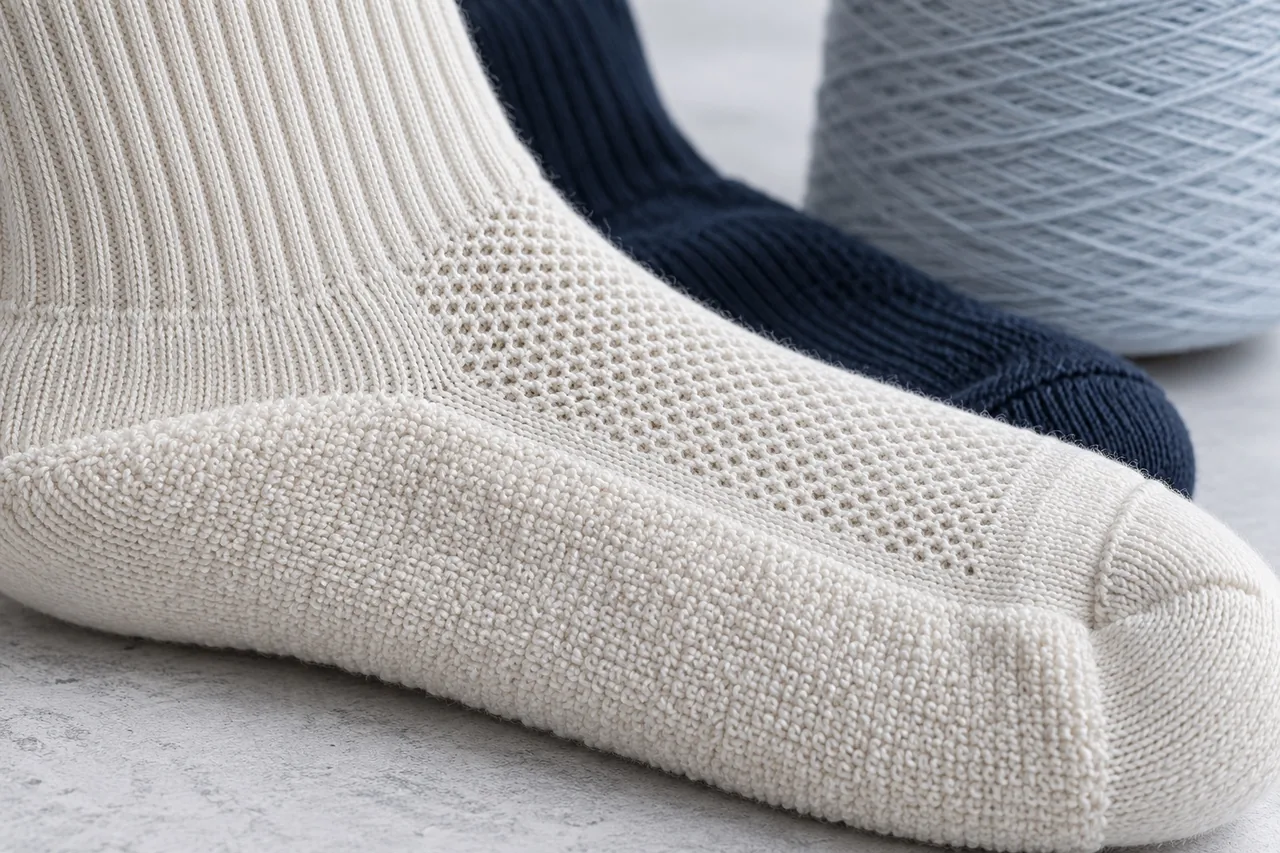
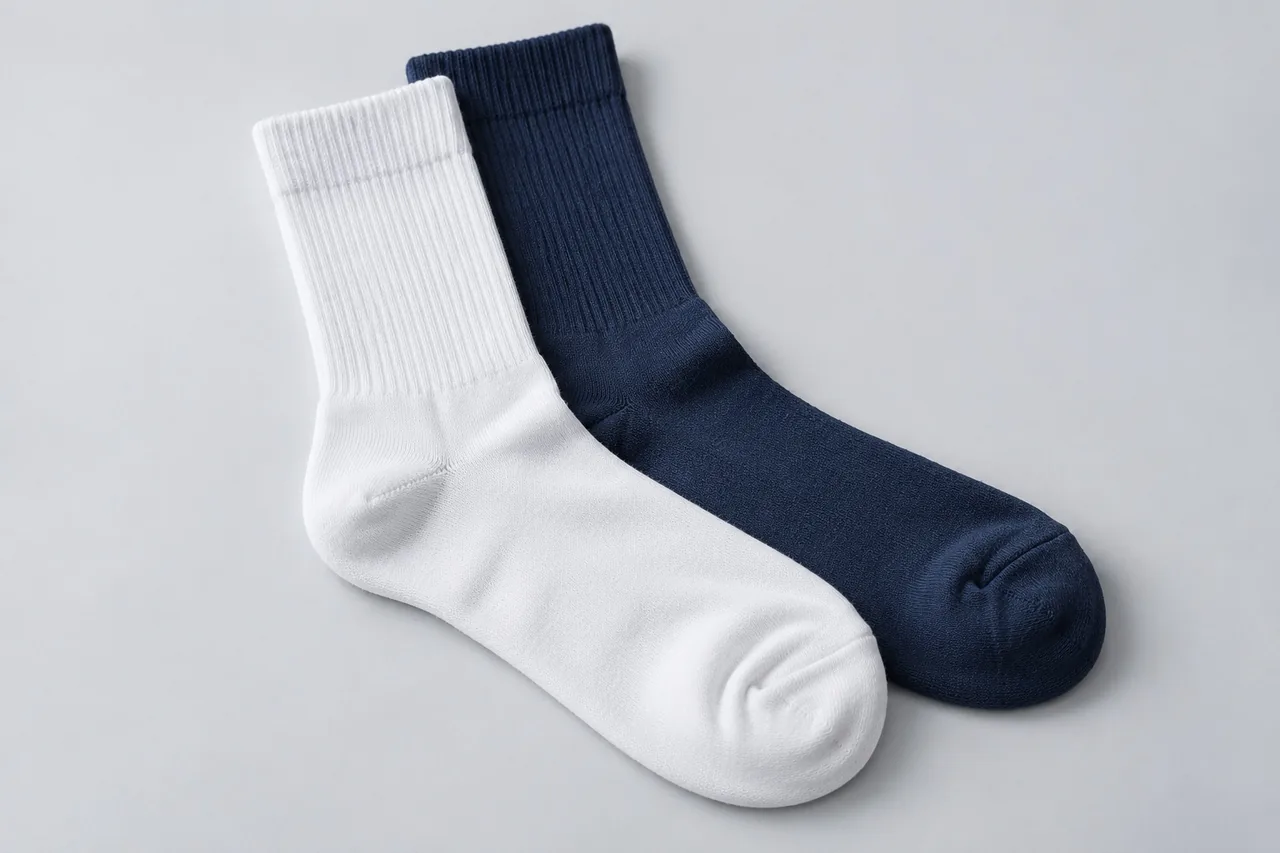
Barcode guide: an illustrative pack calculation
Suppose a selling unit contains three pairs and a shipping carton contains twenty selling units. The carton holds sixty pairs. The purchase order, packing list and carton label should distinguish those units explicitly. If the same sock is also sold as a single pair, keep that selling unit separate in the product matrix and confirm the buyer-authorised identification data for it.
Ask the receiving warehouse whether it accepts mixed sizes or colours in a carton. Identify the approved format and label reference before packing is released. A physical quantity can be correct while a receiving record is wrong if one team reads the number as pairs and another reads it as packs. A clear unit definition makes that discrepancy easier to prevent.
Use official barcode information alongside the buyer brief
For the official reference, see the GS1 General Specifications and GS1 barcode information. Confirm the identification data and receiving requirements with your brand, retailer or logistics partner. This barcode guide helps organise a manufacturing brief; the current standards and your authorised product data remain the reference for the final artwork.
Keep the approved barcode artwork, selling-unit definition and carton format with the same product revision as the sock sample. If a pack quantity changes, review the identification and label files before treating the revised presentation as approved.