
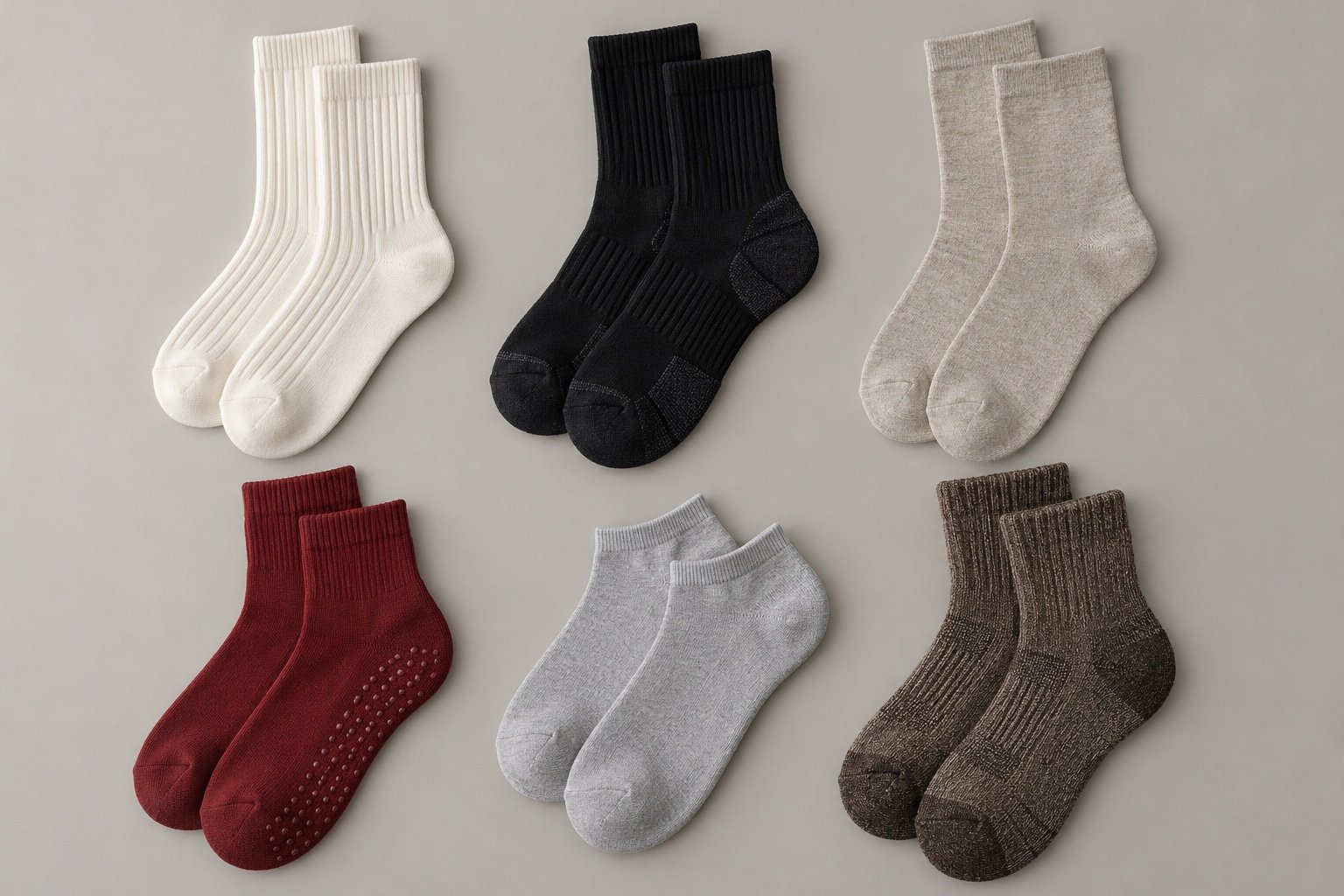
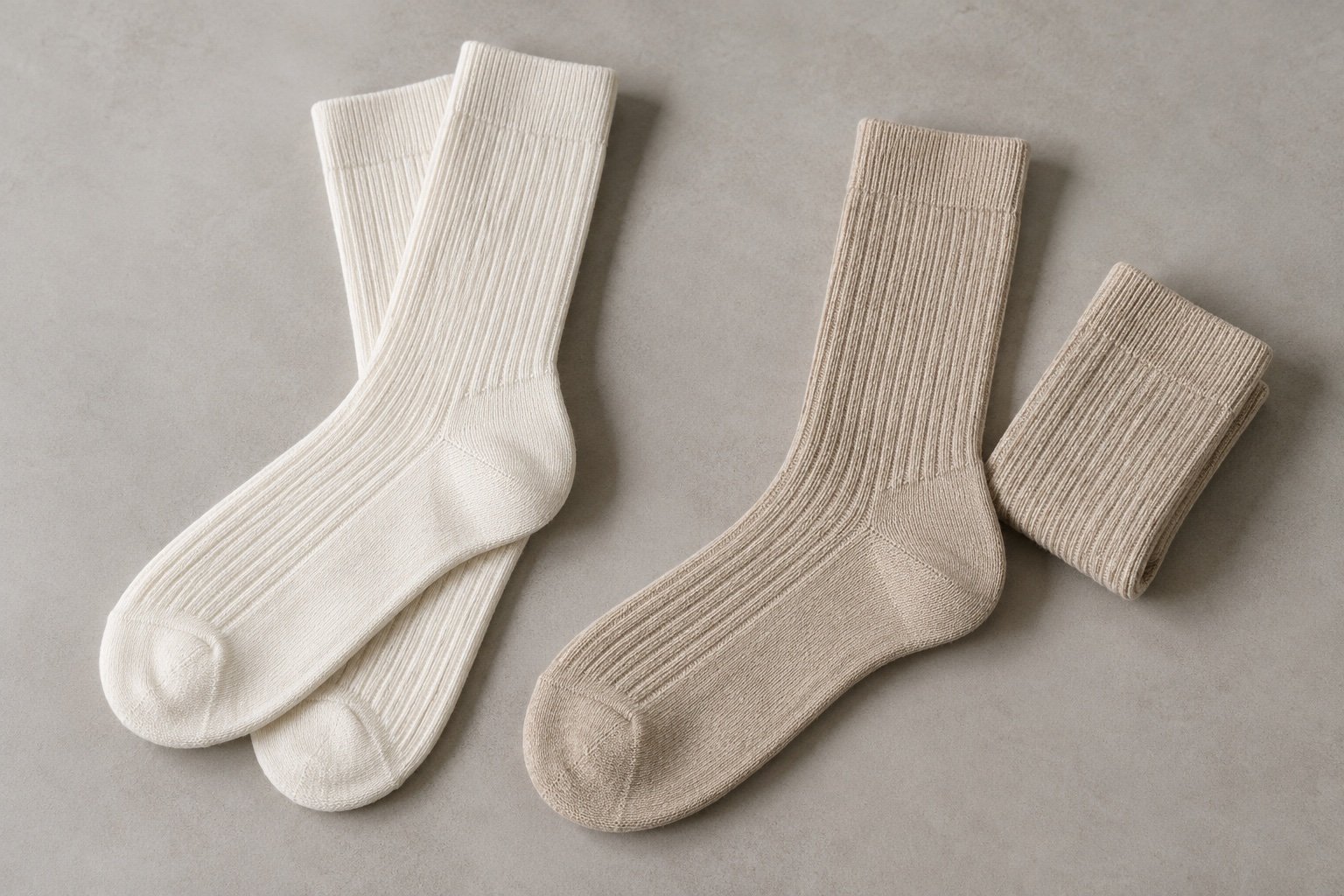
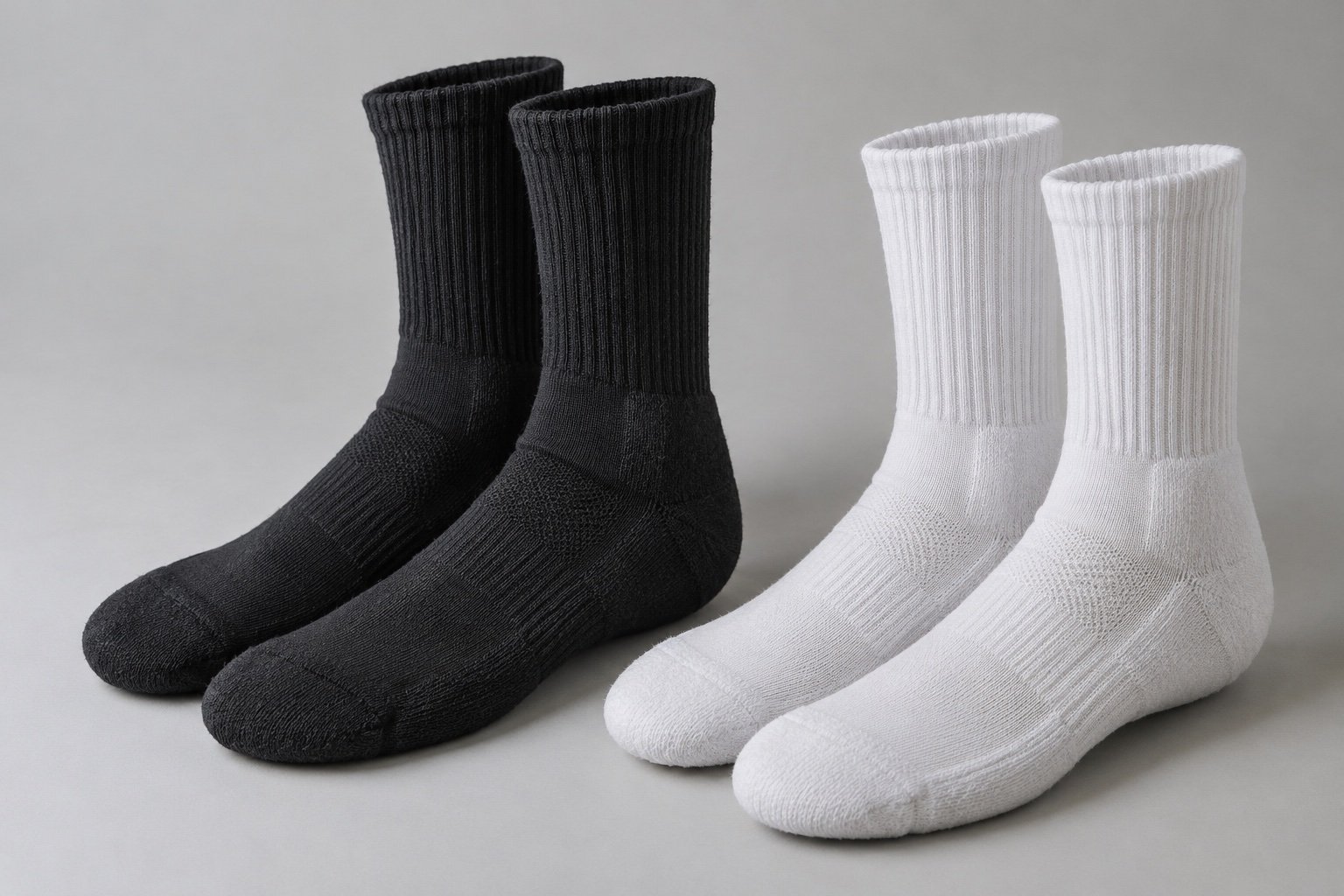
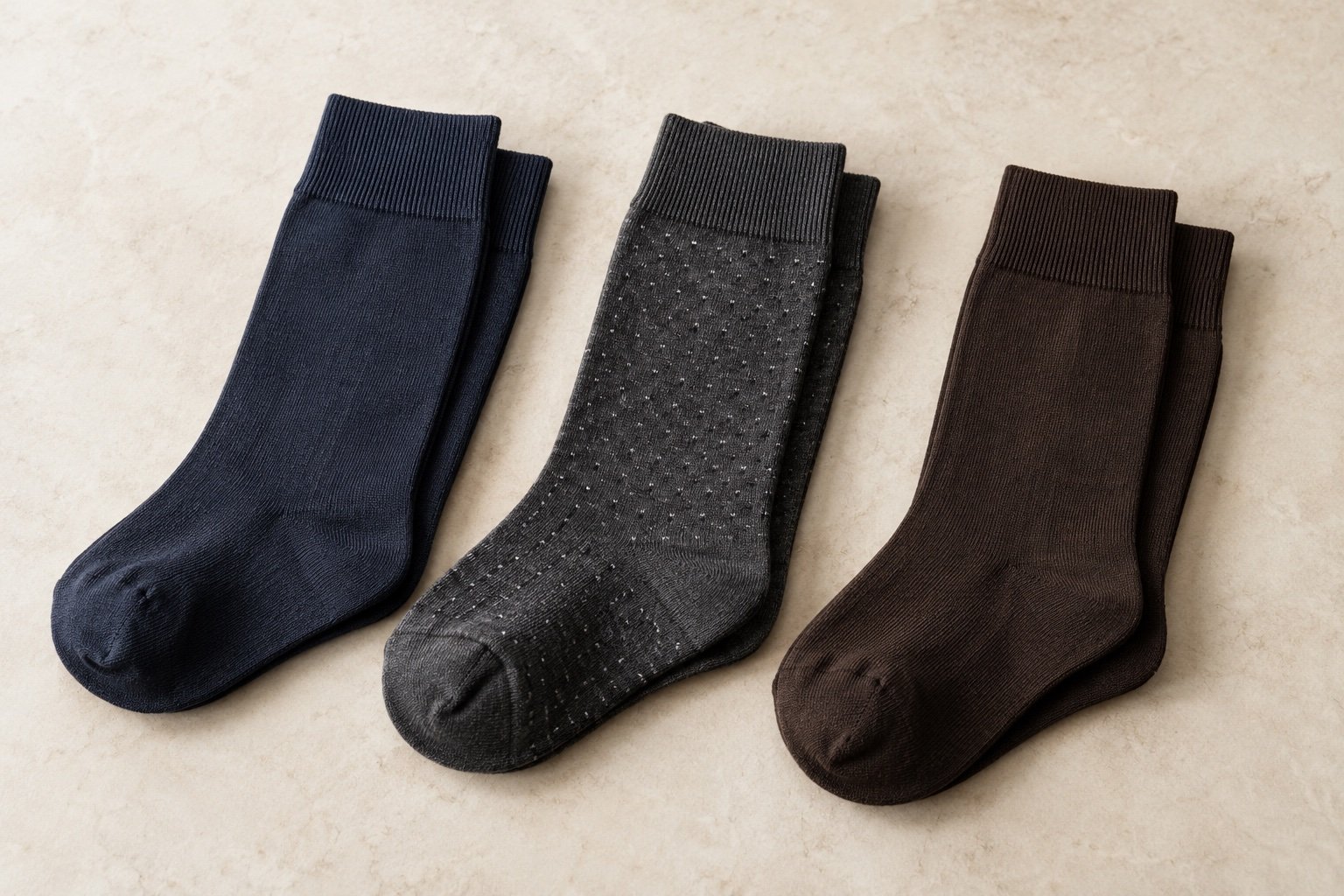
Sock collection — the details that matter
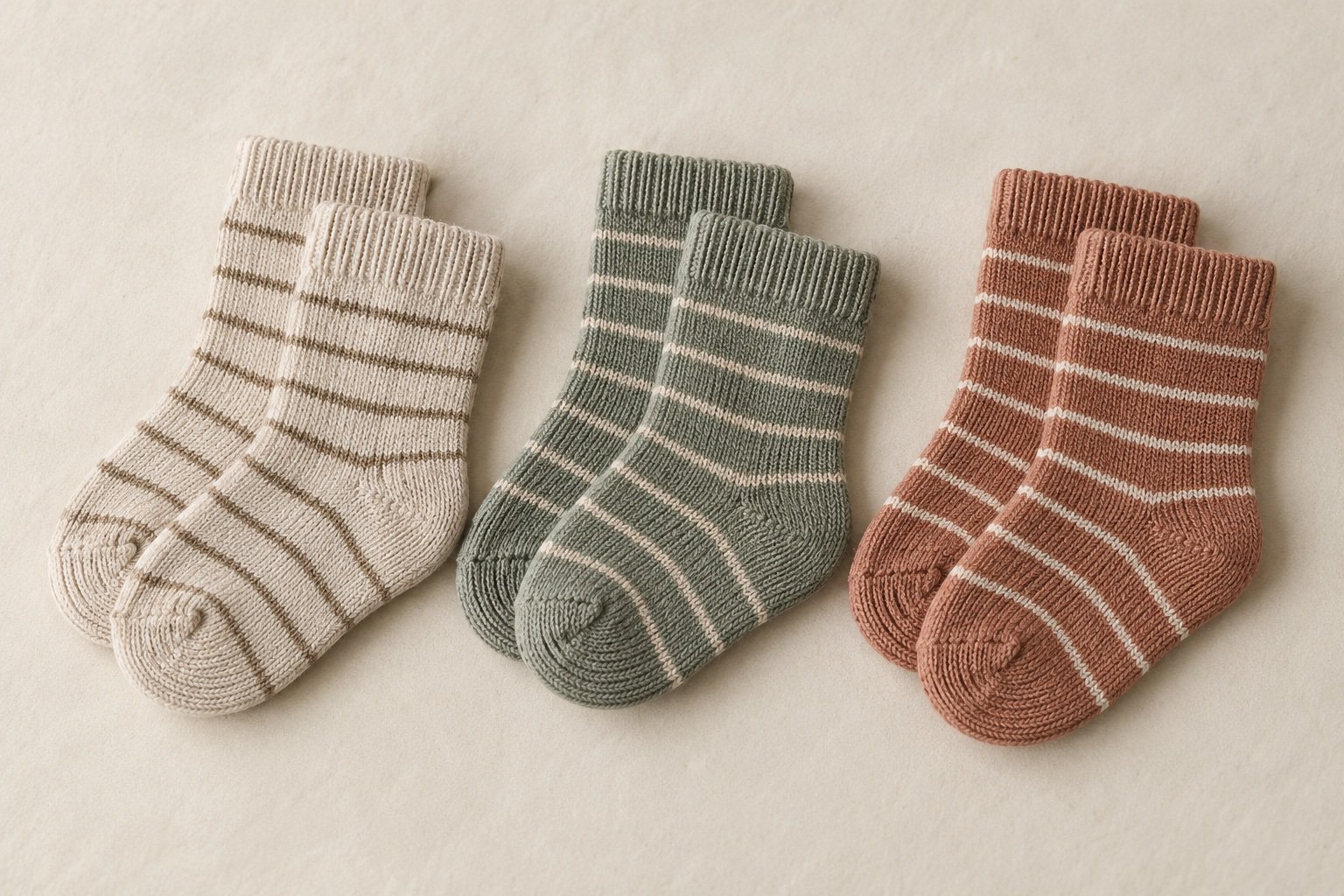
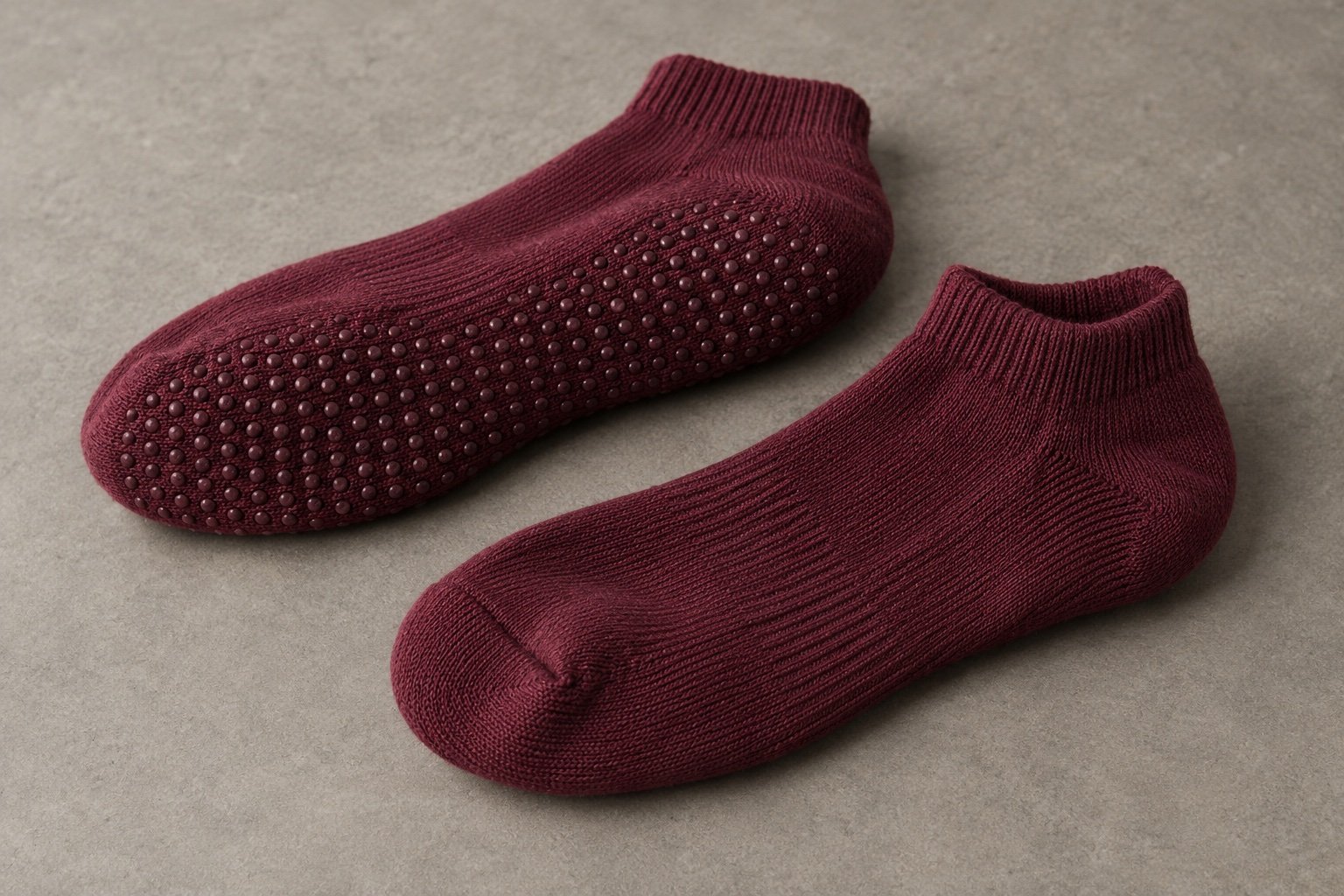
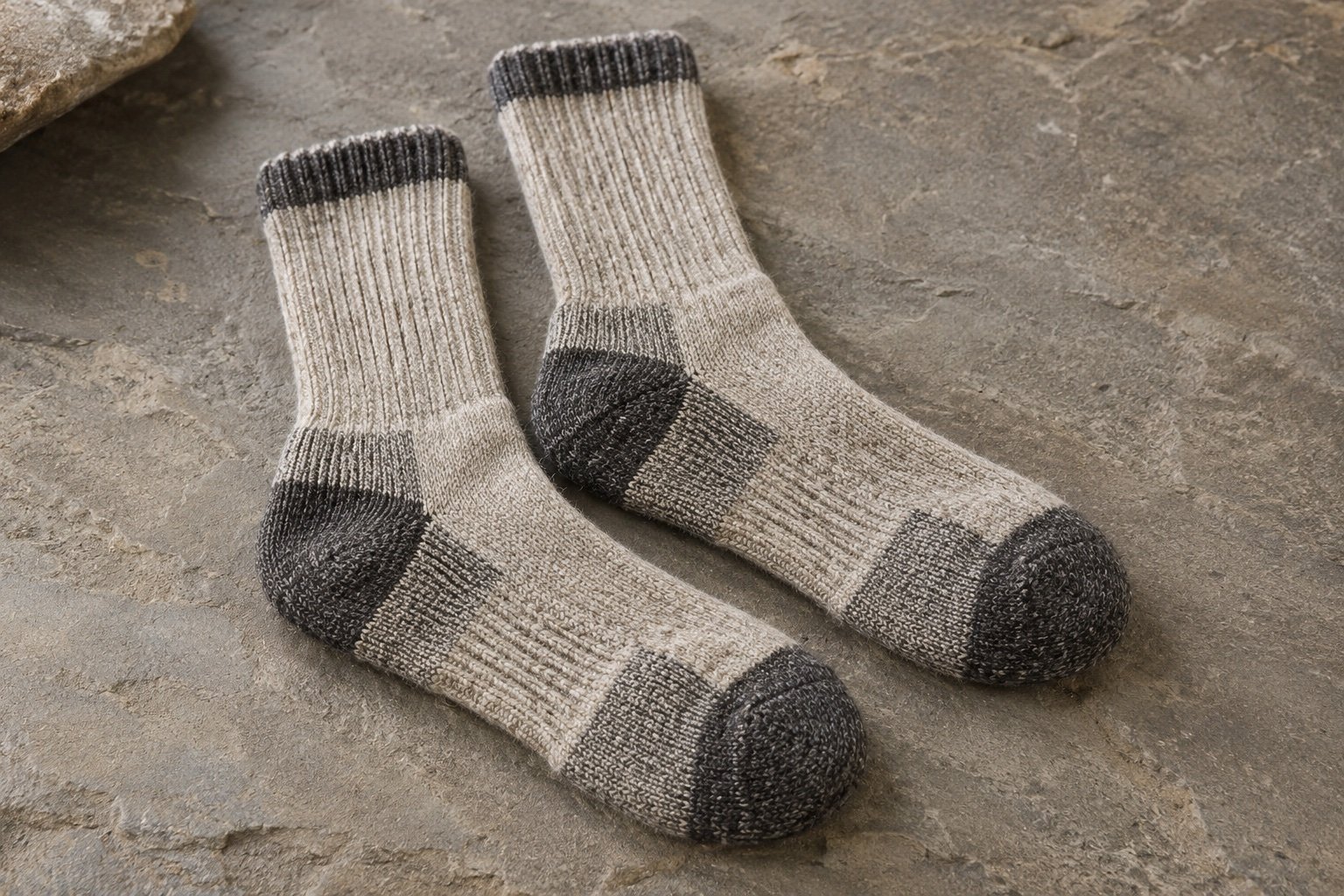
Everyday essentials focus on comfort and reliable fit. Sports products add decisions about cushioning and ventilation. Dress socks balance a fine handle with a smart silhouette. Children’s socks require careful sizing, while grip and outdoor styles bring their own construction requirements.
Create a coherent range
A successful collection is not simply a large number of styles. Decide which lengths, colours and materials serve your buyer, then build the size and quantity breakdown around those choices. A smaller, well-defined opening range can provide a clearer benchmark for later expansion.
Customise across categories
ELBASOCKS manufactures sock categories to order. The examples on this site are concept imagery to communicate product direction, not a ready-stock inventory. Share your requirements to confirm yarn availability, constructions and packaging for your own collection.
Choose by use before choosing by appearance
Everyday, business, sport and outdoor products can share a colour palette while requiring different constructions. Start with the wearer, footwear and season, then compare height, cushioning, cuff and fabric weight. A collection should communicate these differences clearly to the buyer. Photographic references help describe a visual direction, but the technical pack establishes the product that will be manufactured.
The images on this website are product concepts; your approved sample defines the actual material, colour and construction.
Connect material choice with the product brief
Cotton blends, bamboo-derived viscose, wool and technical or recycled fibre programmes offer different development possibilities. Review the whole composition rather than treating one fibre name as a complete specification. Stretch, dimensions, knit density and finishing influence the result alongside the principal yarn. Organic or recycled claims require suitable documentation for the specific supply chain and product. Tell us the performance and sourcing priorities that matter to your brand so they can be considered during development.
Create a practical first range
A new brand may begin with one core construction and a limited colour selection, while an established retailer may need coordinated products across several categories. Identify the launch range and distinguish it from future ideas. Provide the proposed size run and a quantity breakdown. This helps the manufacturing discussion concentrate on a range that can be quoted and sampled clearly. ELBASOCKS starts at 1,000 pairs, with the accepted allocation confirmed for the project.
Review packaging and product information together
A single-pair label, multipack or branded wrap changes how the customer compares the collection. Plan the packaging format, barcode requirements, product descriptions and care information alongside the socks. If the range serves several markets, identify the required languages and labelling details. The finished collection should have a consistent naming and product-code system so sampling, ordering and replenishment refer to the same items.
Plan your manufacturing brief
Share your intended use, target customer, material preferences, size range and quantity. Minimum orders start at 1,000 pairs; the design, colour and size allocation is confirmed during quotation. Specify your destination market and required testing so the project can be reviewed as a complete product.
Use our manufacturing inquiry form, explore private label production or read the sock tech pack guide. For compliance information see quality and certifications.
For the official explanation of textile harmful-substance testing, see OEKO-TEX STANDARD 100. Programme information does not replace reviewing the current certificate and product scope for your order.