Sock manufacturing for brands and retailers
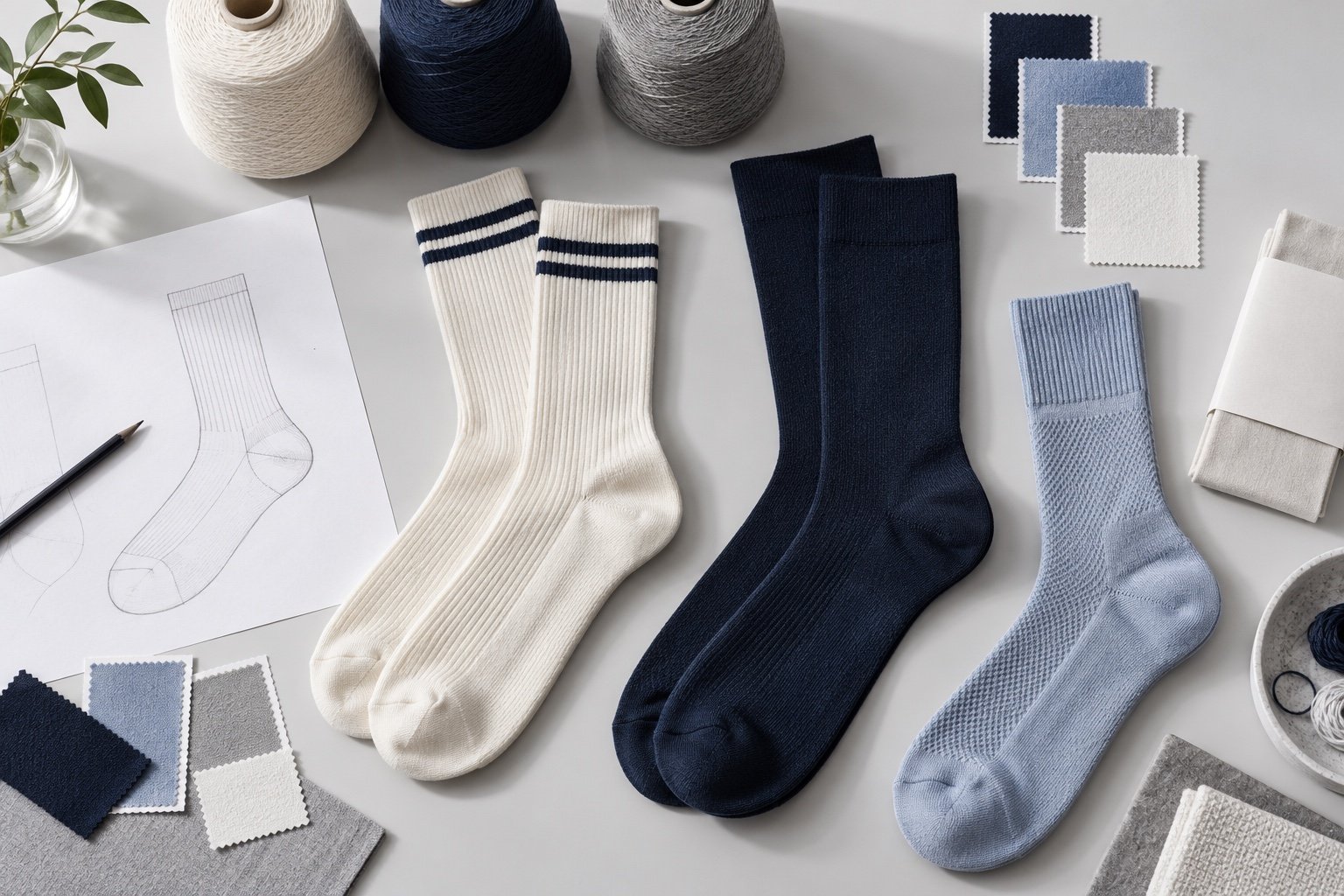
Build a sock range around the customer, season and price position of your brand. The decisions include silhouette, yarn feel, cuff construction, pattern scale, size coverage and retail presentation. A coordinated collection can combine dependable everyday styles with a smaller number of statement designs.
ELBASOCKS develops private label and OEM socks in Istanbul, Turkey. Orders start from 500 pairs, with the design, colour and size allocation agreed during quotation. Share your range plan or a reference product so that sampling focuses on the details that make your collection recognisable. Explore private label sock production and jacquard socks.
E-commerce and direct-to-consumer brands
For an online launch, product photography and packaging must describe the sock customers actually receive. Define the composition, fit notes, size range and care information alongside the design. Consider how individual pairs or multipacks will be stored and fulfilled. A first production run should have a clear size and colour matrix rather than a large number of shallow variants.
Discuss barcode placement, pack dimensions and labels with your fulfilment partner before artwork approval. ELBASOCKS can review knitted branding, labels and custom packaging as part of the product brief. Our sock brand launch guide helps organise the first decisions.
Sports brands, gyms and Pilates studios
Performance briefs should describe the activity, footwear and wearer. Specify the desired cushioning, ventilation, cuff height and fit rather than relying only on a fibre name. For studio socks, review grip placement and the intended floor conditions together with the knit construction. Claims about grip, moisture management or compression need suitable evidence for the finished product.
Use a sample to assess comfort during the intended activity and after the agreed care cycle. Choose sports sock manufacturing or Pilates and grip socks to begin the specification.
Wholesalers, distributors and sourcing teams
Recurring programmes depend on consistent specifications and controlled changes. Keep the approved sample, yarn composition, measurements, colours and packaging references together. Record substitutions and revisions before a repeat run is scheduled.
Our production capacity is 1 million pairs per month. The production slot and delivery plan for a specific order are confirmed against the brief and schedule. Buyers can request current compliance documents, define inspection requirements and plan packaging for their distribution channel. Read the bulk order guide for a comparable quotation.
Corporate gifts, agencies and event merchandise
A branded sock can be developed for an employee pack, event, club or promotional campaign. Start with the event date, artwork, wearer size range and quantities. A complex printed graphic may need adjustment for a knitted pattern; the sample establishes what the logo looks like on the finished sock.
Packaging can provide space for campaign copy while keeping the sock design readable. Confirm all brand permissions before sending artwork. See promotional sock manufacturing for the briefing process.
A clear starting point for every programme
Send the intended use, quantity, composition preferences, sizes, colours, artwork, packaging and destination through the quote form. Sample fees are deducted from the first production order; sample preparation time is confirmed in the quotation.
You can also email sales@elbasocks.com. Each programme is reviewed against its actual requirements. We confirm feasible construction, quantity allocation and timing before treating the brief as ready for production.
For the standard’s own explanation of textile testing, see OEKO-TEX STANDARD 100. Request current product-specific documentation separately.
Sock Manufacturing for Brands: six details to confirm
Start with the channel in which the product will be sold. An online brand, a studio shop and a gifting programme can need different size allocations and presentation. Identify the customer, intended use and quantity before comparing constructions. Define the first order separately from a possible later forecast.
- Customer and channel
- Product role
- Construction and size range
- Artwork references
- Selling unit and packing
- Confirmed first-order quantity
Keep the approval record with your order
Identify the dated sample, artwork and packing references in the same order record. State any requested change explicitly and confirm how it affects the product or commercial offer. Retain the agreed documents for the next run so your team can distinguish an exact repeat from a revised specification.
Send your category, quantity in pairs, sizes and destination through our manufacturing inquiry form. You can attach a logo or technical PDF and explain which choices are still open. ELBASOCKS reviews orders from 500 pairs, with allocation and timing confirmed in your quotation.
Fashion brands: give each product a role in the range
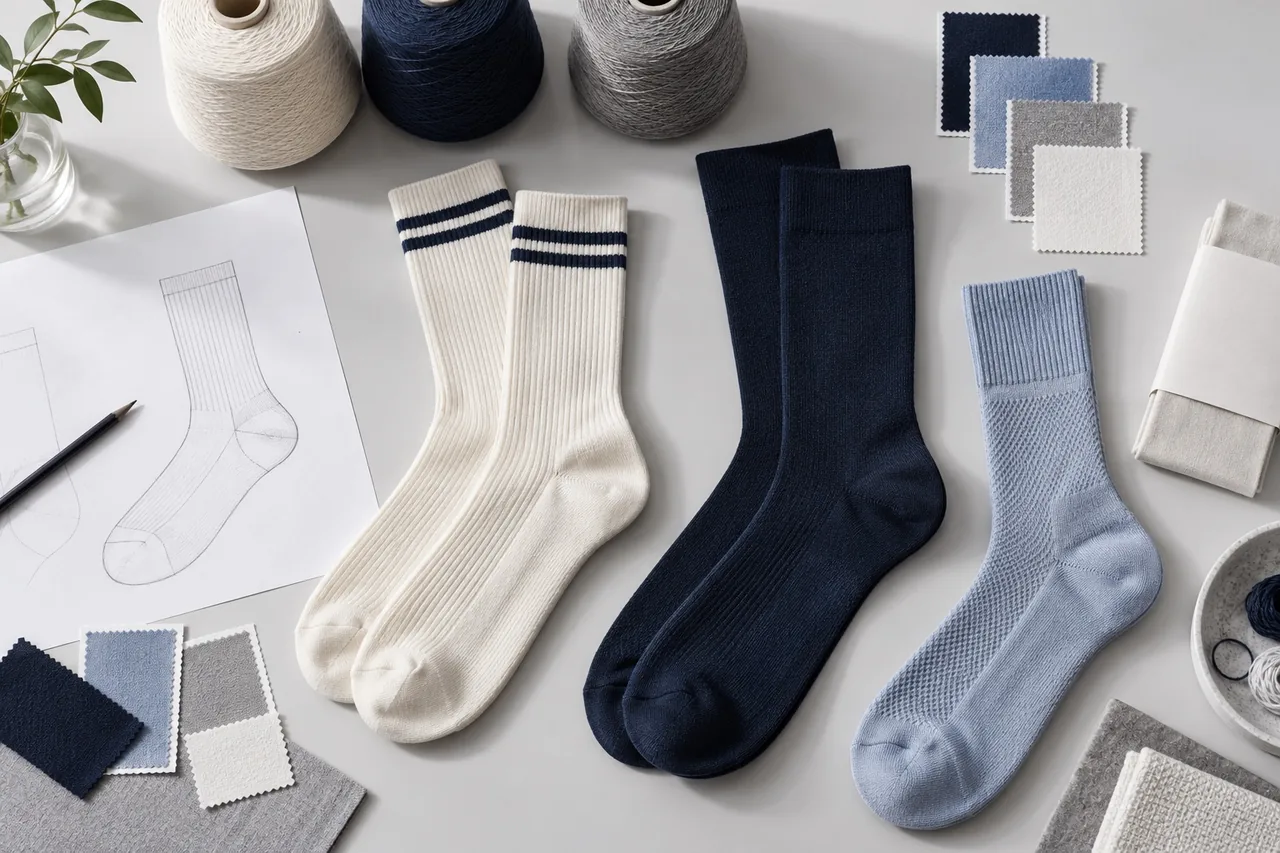
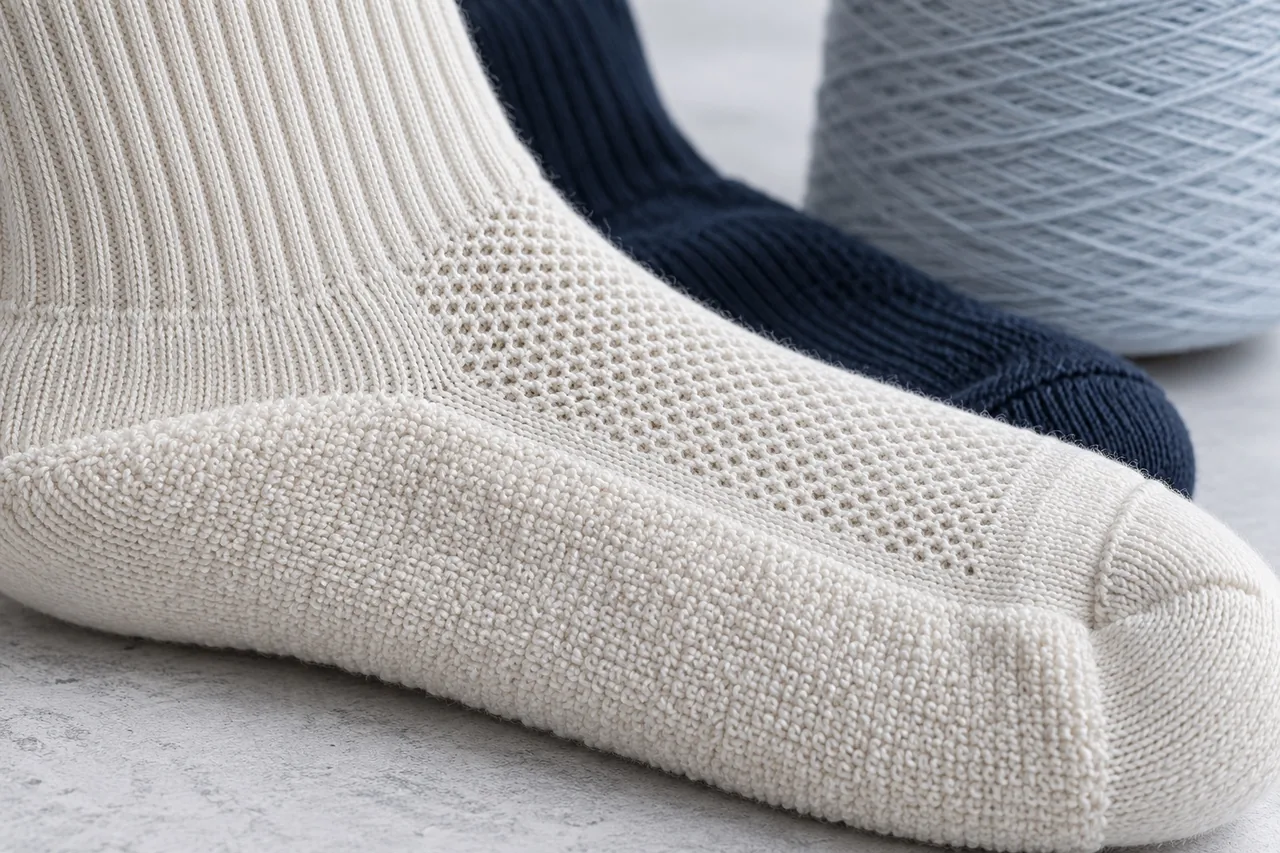
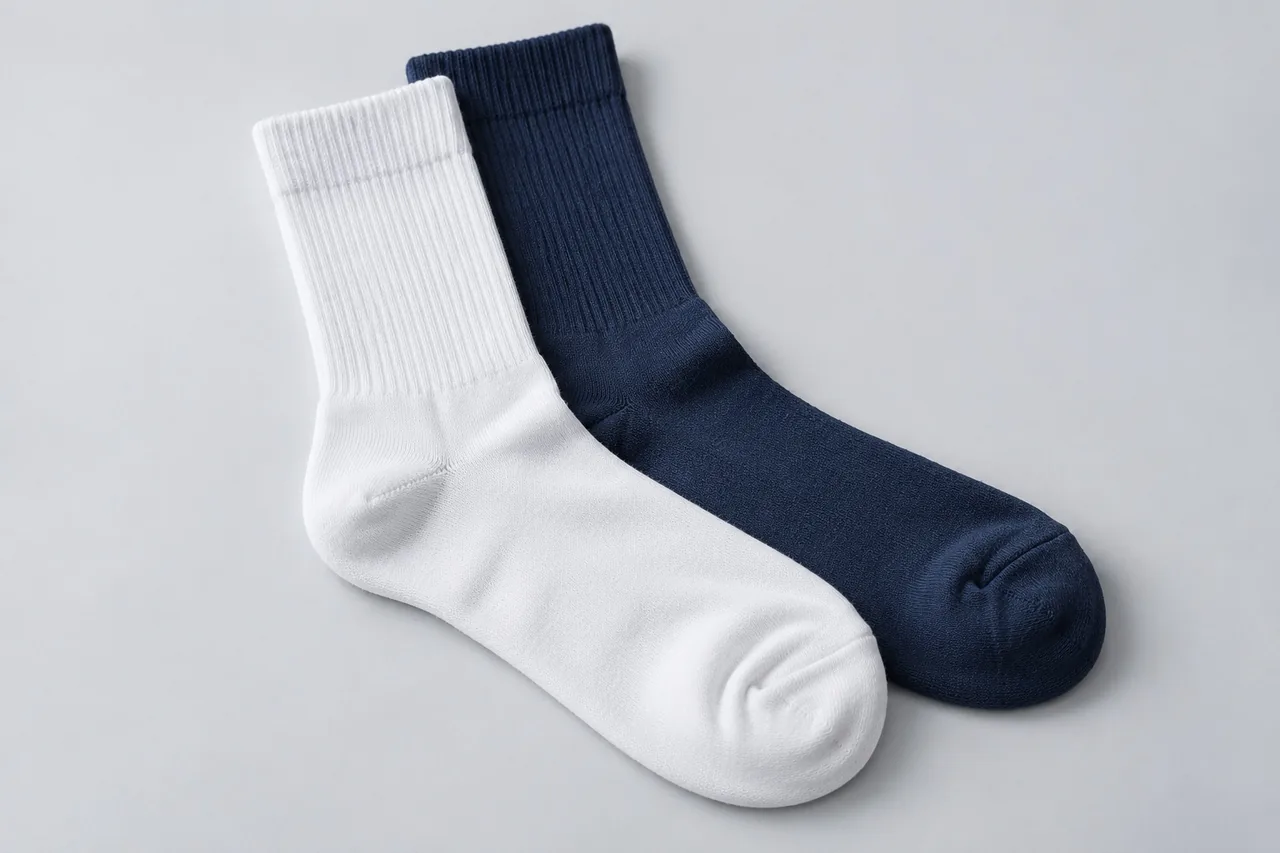
For a fashion collection, start with the wearer, the styling direction and the role of each sock. An everyday essential and a seasonal statement design should have distinct product references even when they share a brand palette. Explain which details need to match the rest of the collection and which are open for development. Send artwork at a useful scale with colour references and a drawing of the intended placement.
Review the knitted pattern on the sample at its intended worn size. Small lettering and dense motifs can look different when the fabric stretches. Record approved adjustments, then keep the final artwork with the yarn blend, dimensions and packaging reference. Brands planning several launches can also distinguish the confirmed first order from the next seasonal forecast. That keeps the commercial commitment clear while giving the manufacturer context for a potential repeat programme. Explore our jacquard development and dress sock options for relevant buying questions.
Online brands: define the selling unit before packing
An online brand needs a clear connection between the physical sock, its selling unit and the information used to fulfil an order. Decide whether the product is offered as an individual pair or a multipack and keep that definition consistent in the product matrix. Share your label artwork, authorised barcode data and any warehouse packing manual before the final format is agreed.
For example, a three-pair retail pack and a single pair are different selling units even if the underlying sock design is the same. Identify how sizes and colours may be mixed and whether the receiving warehouse requires a specific carton label. Confirm these details with the approved sample record. If your online brands programme changes the pack quantity later, review the artwork and identification requirements rather than assuming the previous pack remains suitable. Our packaging page explains the information to include with the manufacturing inquiry.
Sports and teamwear brands: begin with the intended activity
For sports brands, describe the activity and the shoe in which the sock will be worn. A training sock and a teamwear presentation may place different demands on construction and artwork. Mark proposed cushion areas, sock height and logo placement on the brief. Explain which elements are essential and which alternatives you would like to sample. Do not use a styling photograph as proof that a particular performance requirement has been met.
Review the physical sample for the intended size and footwear, and record the conditions used for your assessment. If a change to yarn or thickness affects shoe fit, identify it before approving the final version. Keep team colours, artwork and the required packing together under the product reference. Brands with several teams or recipients should also identify the quantity allocation and delivery requirements clearly. Read our sports sock manufacturing page for a more focused product checklist.
Studios and wellness brands: review the complete worn product
A Pilates or yoga studio collection begins with the activity, foot coverage and the way the sock will be offered to members. Share the proposed sole artwork and mark its intended position. Review the opening, cuff and fit on the actual sample so a digital design is connected to a product the wearer can assess. Any requested performance wording should be supported by the assessment agreed for that product.
Studios and wellness brands may sell an individual pair at reception or include socks within a class or membership package. Identify the selling unit and presentation in the same brief as the construction. Confirm how sizes will be labelled and how the stock should be separated for receiving. If you want a later seasonal colour, keep the existing product specification available and record the colour change as a distinct revision. Explore our grip sock development page to prepare these details.
Corporate gifting brands and agencies: make the deadline explicit
For a campaign, explain the recipient, event and required arrival date. Distinguish the date the stock must reach the destination from a proposed production completion date. Provide logo files, brand colours and the intended placement, together with the gift or retail presentation you need. If different offices or recipients require separate quantities, identify the allocation and receiving instructions for each destination.
Agencies representing other brands should agree who can approve the sample and artwork. Keep the final reference accessible to that person and record requested changes in one dated document. If a design revision is approved after the quotation, request confirmation of its effect on the offer and schedule. A fixed event date is useful planning information, but the actual delivery commitment is confirmed for the agreed project. Our promotional sock manufacturing page covers the campaign details to include before an order is approved.
Retail and wholesale brands: plan the quantity matrix
A retail or wholesale programme needs an order matrix that separates product codes, colours, sizes and selling units. State the total in pairs and identify the proposed allocation rather than leaving the manufacturer to infer it from a reference image. If several pack formats are involved, keep them distinct. A carton containing twenty three-pair packs represents sixty pairs, and the purchase and packing records should make those units explicit.
Brands planning repeat supply should retain the approved sample and packing sheet after the first delivery. A later quantity forecast is different from a confirmed purchase order, so identify which part of the programme is being committed now. If a warehouse has inspection or receiving requirements, share them before packing is agreed. Our bulk order page and reorder planning guide explain how to keep the product and quantity records comparable across runs.
Build one brief for the commercial and product decisions
Sock manufacturing for brands works more clearly when the technical and commercial requirements are reviewed together. A product brief can identify the intended wearer, construction, material blend, dimensions, artwork, quantity and packing. The quotation can then state the proposed product, the sample terms and the agreed delivery scope. Where a detail is undecided, mark it as open rather than filling the gap with an assumption.
Use separate version references if you want alternatives compared. A heavier cushion and a lighter construction should not become interchangeable descriptions within the same offer. Brands can use a simple comparison table to identify what each version includes and what still requires approval. Keep the selected version with the physical sample and the final commercial record. That makes a later revision easier to assess without reconstructing the buying conversation from several email threads.
Keep sample approval specific to the intended product
At sample review, identify the product code, revision, size and colour reference. Review artwork in the position in which it will be worn, and distinguish a request to change the design from a concern about the proposed construction. Where a dimension or test matters to the buyer, agree how it will be assessed and what requirement will apply. Retain the final reference after approval.
Brands should also approve the packing artwork that belongs to that sample. If a band, barcode or selling-unit description changes later, keep the new revision connected to the correct product. One dated record can identify the final sock, its presentation and any outstanding decision. Our sample approval checklist gives a practical starting point. The sample fee is credited to the first production order, and sample preparation time is confirmed in the quotation.
Review documentation before approving product claims
Tell ELBASOCKS which markets and buyer requirements apply to your proposed order. Request the current certificate, audit or testing documents relevant to that specification and review their scope. A standard name on a website is a starting point for a sourcing conversation; the actual order records should identify the documentation and product wording that your team has accepted.
Keep composition wording, care information and any authorised claims with the approved label artwork. Brands requesting organic or recycled content should define the required claim and evidence clearly before the packing is released. If a material substitution is proposed, review its effect on the product and documentation rather than treating it only as a purchasing detail. Use our quality and documentation page to request the information for your sourcing review.
Plan timing from the required arrival date
A launch calendar should distinguish development, sample revisions, final approval, production, packing and transport. Identify fixed events and flexible selling-season targets separately. Send the destination and any receiving or inspection instructions early so they can be considered in the project review. The schedule is confirmed against the actual specification and current production plan.
Brands should review the timing again if an approved change affects the construction, artwork, quantity or pack format. A proposed date in an early brief is different from a confirmed commitment in the offer. Keep the agreed delivery responsibilities with the purchase order so the product and logistics teams work from the same record. Our lead time guide explains the planning questions to discuss without relying on a universal sample or production timeline.
Measure the first programme before planning the next one
After the first delivery, compare the quantities received with the approved order matrix. Record any agreed product feedback and identify whether it is a discrepancy, a new preference or a proposed change for the next run. Attach photographs to a specific observation and agree who will review the response. Retain that record alongside the approved sample and packing reference.
For a reorder, provide the new quantities by size and colour and identify the parts of the specification that should remain the same. Brands can distinguish an exact repeat from a revised construction by giving each a clear reference. Request agreement to any substitution before it becomes the new benchmark. This approach keeps the next discussion connected to an accepted product rather than a general description of the previous shipment.
Start a brand-specific manufacturing inquiry
ELBASOCKS reviews orders from 500 pairs, with the design, colour and size allocation confirmed in the quotation. Our stated production capacity is one million pairs per month; the timing for your order is agreed for its specification and the current schedule. You can begin with a technical pack or send the references you already have and explain the decisions still open for development.
Tell us which type of programme your brands team is planning, the intended products, proposed quantity and destination. Attach a logo, reference image or technical PDF to the manufacturing inquiry form. Identify what each file represents and which version should be reviewed. Requests go to sales@elbasocks.com. A clear brief gives our team a practical basis for discussing your collection, sample and project-specific offer.